
Traditional British scone recipe that’s utterly delicious
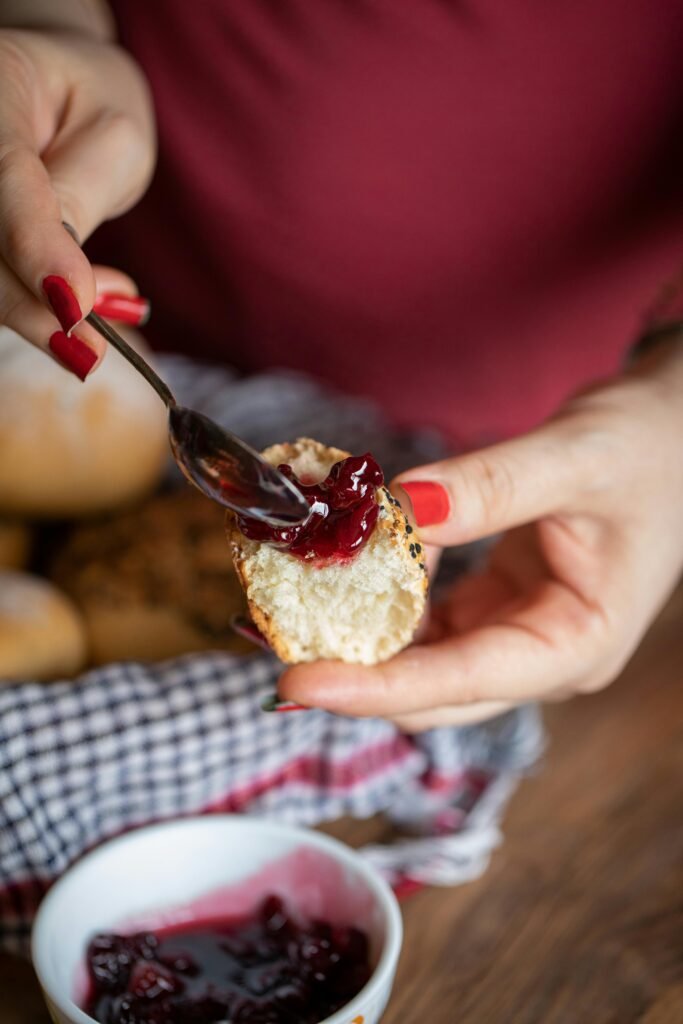
Light, tender, and just the right amount of crumbly, British scones are a timeless teatime classic. Whether enjoyed fresh from the oven with a generous spoonful of jam and a cloud of clotted cream, or served alongside a pot of your favorite brew, these charming little bakes capture the simple comfort of a traditional English afternoon. This recipe brings all the charm of a country bakery to your own kitchen—easy, comforting, and perfect for sharing.
Our classic scone recipe below.
Servings
8 scones
Prep Time
around 10 minutes
Cook Time
12 – 15 minutes
Ingredients
- 2 cups (250g) all-purpose flour
- 1/4 cup (50g) granulated sugar
- 1 tbsp baking powder
- 1/4 tsp salt
- 1/3 cup (75g) cold unsalted butter, cubed
- 1/2 cup (120ml) whole milk (plus extra for brushing)
- 1 large egg
- 1 tsp vanilla extract (optional)
- Optional: 1/2 cup (75g) raisins or currants
Directions
- Preheat oven to 425°F (220°C). Line a baking sheet with parchment paper.
- Mix dry ingredients: In a large bowl, combine flour, sugar, baking powder, and salt.
- Cut in the butter: Add the cold cubed butter and rub it into the flour using your fingertips until the mixture resembles coarse breadcrumbs.
- Add wet ingredients: In a small bowl, whisk together the milk, egg, and vanilla. Pour into the dry mixture and stir gently until a soft, slightly sticky dough forms. Do not overmix.
- Shape the dough: Turn the dough onto a lightly floured surface. Gently pat it into a 1-inch (2.5 cm) thick round.
- Cut the scones: Use a round cutter (2–2.5 inch / 5–6 cm) to cut out scones. Press straight down—don’t twist—to help them rise evenly. Gather scraps and repeat.
- Prepare for baking: Place scones on the baking sheet. Brush tops lightly with milk.
- Bake: Bake for 12–15 minutes until risen and golden.
- Cool and serve: Let cool slightly. Serve warm with clotted cream and jam—traditionally strawberry.
Commonly Asked Questions
Why didn’t my scones rise properly?
If your scones did not rise then it could be due to using butter that was not cold enough. Another reason could be due to overworking the dough which makes it elastic like or perhaps your raising agent wasn’t doing it’s job. The baking powder could have been old or out of date.
Why are my scones dense and not light & fluffy?
If you handled the dough too much and overworked it like neading bread then it will give the scones a dense structure. It is possible that you overbaked the scones too much or the oven was not hot enough when you put them in meaning the scones did not rise fast enough.
How can I make my scones last longer?
Once the scones have cooled down, wrap them tightly in cling film and store in an airetight container. It is recommended to freeze scones that you will not be consuimg in the next 24 hours to keep them for longer.
What are the traditional toppings usually served on scones?
In England, scones are tradionally topped with thick fresh clotted cream and strawberry jam. It is also common to just have a thick layer of butter spread on top. For a savoury twist, you can have chutney and melt some cheese on top or serve with cream cheese and salom.
Can I use a cutter to cut my scones into different shapes?
Yes, you can use any shaped cutter you wish; some common shapes are hearts, stars and Christmas trees. When using cutters you must not twist the dough but press the cutter straight down into the dough. Using metal cutters work best because they create cleaner cut lines and don”t drag the dough. it is advised to cool the scone shapes in the fridge before baking to ensure the scones keep their shapes.